Book a dummy ticket
HomeGuides › Article

Dummy Ticket Guide for US-based Indians Travellers: Which Visas Need It and How to Get One

For US-based Indian travellers, certain visa applications require proof of onward travel, and a dummy ticket from DummyTicketPrice provides a verifiable reservation at a fraction of the cost of a real flight.

Which US Visa Applications Require a Dummy Ticket for Indians?

Not every US visa category demands a flight itinerary at the time of application, but several do—and Indian applicants are more likely to encounter this requirement than most other nationalities. The key distinction is that US consular officers primarily want to see proof of travel intent and a clear departure plan, not proof that you have already spent money on a non-refundable airline ticket. This is precisely why a flight reservation with a live PNR (Passenger Name Record) is acceptable for most non-immigrant visa categories.

B1/B2 Visitor Visa (Business & Tourism)

This is the most common category where Indian applicants are asked for a dummy ticket. While the DS-160 form does not require you to upload an itinerary, the visa officer at the interview may ask: “When do you plan to travel and for how long?” Having a printed flight reservation that matches your intended travel dates shows you have a concrete plan. It is not mandatory for every B1/B2 applicant, but it becomes important if:

  • You are applying close to your intended travel date (within 4–6 weeks).
  • You have no prior travel history to the US or other developed countries.
  • You are self-employed or have a complex financial profile.

F1 Student Visa

For F1 visa interviews, the flight itinerary is less about proving intent and more about demonstrating that you understand the academic calendar. If your I-20 shows a program start date, the officer may expect you to know when you’ll fly. A dummy ticket showing arrival 2–3 weeks before orientation is a strong signal. However, note that F1 applicants are usually advised to wait until the visa is approved before purchasing a real ticket—so a flight reservation is the practical middle ground.

H1B, L1, and Other Work Visas

For H1B (petition-based) and L1 (intra-company transfer) visas, a dummy ticket is rarely asked at the interview stage because the employer’s petition already establishes your purpose. However, you may need a flight itinerary for:

  • The visa stamping appointment itself (if you are travelling to a US consulate in India from another city).
  • Showing your planned US entry date to the Customs and Border Protection (CBP) officer at the port of entry—though this is informal.
  • Employer-required pre-boarding documentation.

J1 Exchange Visitor Visa

Similar to F1, the J1 visa process often involves a DS-2019 form with a specific program start date. Indian exchange scholars, interns, and au pairs are sometimes asked, “When is your program starting and when will you land?” A dummy ticket showing a sensible arrival window (5–7 days before the program date) is helpful, especially for first-time J1 applicants.

When a Dummy Ticket Is NOT Required

Be aware that these categories generally do not require a flight itinerary:

  • Immigrant visas (Green Card) – The National Visa Center (NVC) will ask for a DS-260, but flight bookings are only relevant after the visa is issued, for planning your move.
  • K1 Fiancé visa – The focus is on your relationship evidence, not travel dates.
  • Visa renewal (dropbox / interview waiver) – If you are renewing a B1/B2 or F1 visa and meet the interview waiver criteria, a dummy ticket is unnecessary.

Practical Differences: Dummy Ticket vs. Real Ticket

Aspect Dummy / Flight Reservation Real / Purchased Ticket
Cost ₹599–₹1,500 (approx. $7–$18) ₹50,000–₹1,20,000 (approx. $600–$1,500) for US routes
Validity for visa interview Accepted by US consulates – shows PNR, flight numbers, dates Also accepted, but you risk losing money if visa is denied or delayed
Cancellation / refund Expires on its own (typically 7–14 days); no refund needed Refundable tickets cost 2–3x more; non-refundable means total loss
When to use Interview stage, before visa approval After visa approval, for actual travel

In practice, for B1/B2, F1, J1, and even H4 dependents, a verifiable flight reservation is the standard workaround. The visa officer knows that a real ticket is non-refundable and that applicants are unlikely to buy one before approval. As long as your dummy ticket shows a realistic travel window—typically 2–4 weeks after your intended visa interview date for B1/B2, or aligned with your I-20/DS-2019 start date for student and exchange visas—it serves its purpose. Just make sure the PNR is verifiable on the airline’s website or via a booking engine, because consular staff do spot-check itineraries that look fabricated.

Dummy Ticket vs. Real Booking vs. Refundable Fare: What US-Based Indians Must Know

If you are an Indian national living in the US on an H-1B, F-1, or L-1 visa and planning a US visa interview at a consulate in India (typically Chennai, Mumbai, Delhi, Hyderabad, or Kolkata), you will likely need to show a flight itinerary for certain non-immigrant visa categories. The confusion begins when you try to decide whether to purchase a real ticket, hold a booking, or use a dummy ticket. Each option carries a different cost, level of risk, and acceptance by visa officers. Here is how they compare in practical terms.

Real Booking: Full Payment, Full Flexibility (and Full Risk)

A real booking means you pay the full airfare to the airline or travel portal and receive an e-ticket with a 6-character PNR confirmation. For US visa interviews, a real ticket is never required at the application stage. The only scenario where a real ticket matters is after your visa is approved—when you need to show a confirmed onward reservation to the airline at check-in or to US Customs and Border Protection (CBP) at a US port of entry. If you buy a real ticket before your visa interview and your visa is denied, you typically lose most of the fare unless you purchased a refundable or flexible fare. For a US-based Indian, a round-trip ticket to India from the US (e.g., Newark to Delhi) costs $900–$1,500 in economy, and non-refundable fares usually carry a $200–$400 change fee plus the fare difference. This is the most expensive route for a visa interview that might not succeed.

Refundable Fare: The Safe but Pricey Middle Ground

A refundable fare is a real ticket with a fare class that allows full cancellation without penalty. Major US carriers (United, American, Delta) and Indian carriers (Air India) sell these, often at 3–5 times the non-refundable price. For example, a non-refundable United flight from Chicago to Mumbai might cost $1,100, while the refundable version of the same flight could be $3,800–$5,500. You must pay the full amount upfront, hold the booking, attend your visa interview, and then cancel after the decision—provided you cancel within the airline's refund window (typically 24 hours to 7 days, depending on the fare rule). The refund usually posts to your credit card within 7–10 business days. This option is acceptable to visa officers because it is a genuine ticket, but the cash-flow burden is significant. It makes sense only for applicants who are highly confident of approval and need the itinerary for other purposes (e.g., employer approval, dependent visa paperwork).

Dummy Ticket: A Real Reservation Without Payment

A dummy ticket (also called a flight reservation or itinerary hold) is a genuine airline reservation created with a live PNR in the global distribution system (GDS), but it is not ticketed—meaning no money is exchanged and no e-ticket is issued. It typically includes the passenger's name as per passport, flight numbers, dates, and a valid PNR that the airline's system recognizes. The reservation is usually held for 24 to 72 hours, after which the airline may cancel it automatically if not ticketed. For US visa interviews, a dummy ticket serves as evidence of your intended travel dates and onward/return plans. Consular officers at US embassies in India do not typically verify whether the ticket was paid at the time of the interview; they are checking that you have a coherent travel plan. A dummy ticket is the lowest-cost option (usually $7–$15 per passenger), and it carries no financial risk if your visa is denied—you simply let the reservation lapse. The main caveat is that you must book the dummy ticket after you know your interview date, because the itinerary dates should match the travel dates you state on your DS-160 form.

Criteria Dummy Ticket Refundable Fare Real (Non-Refundable) Booking
Upfront cost $7–$15 per person $3,000–$6,000 per person $900–$1,500 per person
PNR valid Yes, 24–72 hours Yes, until cancelled Yes, until travel date
Risk if visa denied None (reservation lapses) None (full refund) High (lose most of fare)
Acceptable at US visa interview Yes, for itinerary proof Yes, fully acceptable Yes, but unnecessary risk
Acceptable at US port of entry No (must be ticketed) Yes Yes

Which One Should You Choose for a US Visa Interview?

For the interview itself, a dummy ticket is the most sensible choice for US-based Indians who are applying for a B-1/B-2 visitor visa, an H-4 dependent visa, or an F-1 student visa from within the US but appearing for the interview in India. The visa officer is evaluating your intent to return to the US or to depart after a temporary stay—not your payment history with an airline. However, if your visa category requires you to show a confirmed return to the US (e.g., an H-1B renewal where you are already employed), a refundable fare may be safer because it demonstrates actual ticketed travel. In practice, most visa officers at the US consulates in India accept a printed itinerary with a PNR without checking payment status. The one hard rule: never present a fake or expired reservation, because consular officers have access to airline booking systems (via GDS) and can spot a fabricated PNR instantly, which could lead to a visa denial under misrepresentation. Always obtain your dummy ticket from a reputable service that generates a live PNR, and verify the PNR on the airline's website or by calling the airline's reservation line before your interview day.

When your appointment date is fixed, order a verifiable dummy ticket and attach the PDF to the rest of the application.

Need a verifiable dummy ticket for this?

Live PNR you can check on the airline website. From ₹599 / $7, delivered in ~10 minutes.

Book a dummy ticket

Essential Components of a Dummy Ticket for US-Bound Indians: PNR, Airline, and Passenger Details

When you purchase a dummy ticket for US-based Indians from a reputable provider, the document you receive is not a random PDF mock-up. It is a genuine airline reservation placed in the Global Distribution System (GDS) — typically Amadeus, Sabre, or Travelport — and it must contain several specific data points to be accepted by consular officers at US embassies and consulates in India. If even one of these components is missing or inconsistent, the visa officer may flag your application for additional scrutiny or reject it outright.

1. A Live PNR (Passenger Name Record) That Actually Verifies

The single most important element is the six-character alphanumeric PNR (e.g., K7M2QX). A PNR is not a ticket number; it is the reservation record held by the airline. For a dummy ticket to serve its purpose, the PNR must be live — meaning it exists in the airline’s system and can be retrieved by a consular officer or airline customer service agent.

Here is the practical test: within 24 hours of receiving your dummy ticket, you should be able to visit the airline’s official website, navigate to the “Manage Booking” or “View Reservation” section, enter the PNR along with your last name, and see the itinerary displayed. If the PNR pulls up nothing, the document is worthless. Reputable providers like DummyTicketPrice.com issue reservations with a holding period of 14–21 days, which is usually sufficient to cover your visa interview date and the few days afterward while your passport is being processed.

2. Exact Passenger Name Match

The passenger name on the dummy ticket must match your passport and DS-160 confirmation exactly — same spelling, same order, no nicknames, no middle-name omissions unless the passport omits it. For Indian nationals, whose names often include father’s names or initials, this is a common point of error. If your passport reads “RAHUL KUMAR SHARMA,” the dummy ticket must read “RAHUL KUMAR SHARMA,” not “RAHUL SHARMA” or “RAHUL K SHARMA.”

Additionally, the ticket must show the same nationality (Indian) and should not have any pre-assigned seat or meal preferences that contradict your actual travel plans — though these are usually not printed on the itinerary receipt.

3. Airline and Flight Number Consistency

Your dummy ticket must reference a real, operating flight. The airline code (e.g., AI for Air India, UA for United, LH for Lufthansa) and the flight number (e.g., AI 126) must correspond to an actual scheduled service on the dates shown. Do not accept a dummy ticket that lists a flight that does not exist or has been discontinued. A consular officer who checks the GDS or the airline website will immediately spot a fabricated flight number.

For US-bound travel from India, common realistic routings include Delhi–Newark on Air India, Mumbai–Chicago on United, or Bengaluru–San Francisco on Lufthansa via Frankfurt. Your dummy ticket should show a plausible connection time (at least 90 minutes for international transfers) and a total journey duration typical for that route.

4. Dates That Align With Your Interview and Intended Travel

The itinerary dates must be internally consistent and logically align with your stated purpose. If you are applying for a B-1/B-2 visitor visa and have an interview on, say, 15 March, your dummy ticket should show a departure from India no earlier than 5–7 days after the visa is issued (typically 2–3 working days for stamping) and a return date consistent with a typical visit (2–4 weeks). For H-1B or L-1 visa applications, the travel date should ideally fall within the 10-day window before your petition’s start date listed on the I-797.

Common pitfalls include showing a departure date that is already in the past, or a return leg that is earlier than the departure leg. Both will be rejected.

5. Booking Reference Format and Provider Credibility

Beyond the PNR itself, the dummy ticket document should include the following fields in a clean, readable layout:

FieldWhat It Should ShowWhy It Matters
Passenger NameFull legal name as per passportMust match DS-160 and passport
PNR / Booking Ref6-character code (letters + digits)Verifiable on airline’s website
Airline & Flight No.e.g., “AI 126”Must correspond to real scheduled service
Departure / Arrival Citiese.g., “DEL → EWR”Should match your interview consulate location logic
Travel DatesDD-MMM-YYYY formatMust be future-dated and consistent
Ticket Status“Confirmed” or “On Hold”Must not read “Cancelled” or “Waitlisted”

Finally, ensure the dummy ticket is issued by a provider that can regenerate it quickly if the consulate asks for updated dates after a visa refusal or administrative processing. A one-time generic PDF is not a genuine reservation. Your dummy ticket for US-based Indians must be a dynamic, verifiable hold that you can adjust within 24–48 hours of notice — this flexibility is what separates a professional service from a template scam. Always ask for the airline’s own PNR retrieval link in the email, and verify the reservation before your interview day.

Step-by-Step: How US-Based Indians Can Order a Verified Dummy Ticket from DummyTicketPrice

Ordering a flight reservation from DummyTicketPrice is a straightforward online process, but knowing exactly what happens at each stage will save you time and prevent mistakes on your visa application. Below is the precise workflow, from opening the booking page to receiving your verified itinerary in your inbox.

Step 1: Prepare Your Passenger and Travel Details Before You Start

Before visiting the booking page, have the following information ready. You will need to enter it exactly as it appears on your passport—any mismatch between your dummy ticket and your passport can cause delays or a visa refusal.

  • Full legal name (as printed on your passport’s biographical page)
  • Passport number and nationality (must match your Indian passport)
  • Date of birth (format: DD-MM-YYYY)
  • Proposed travel dates (entry and exit from the US or India, depending on your interview location)
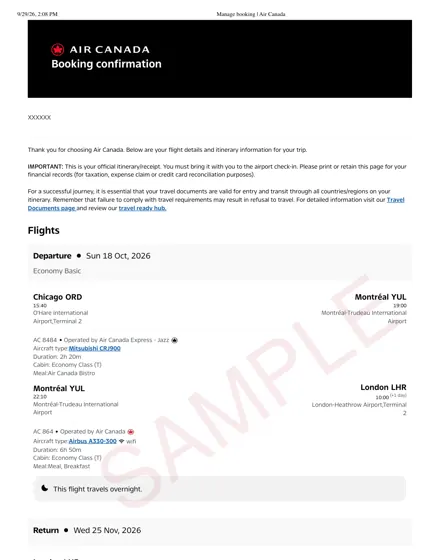
  • Flight route—typically a round-trip between your US city of residence (e.g., New York JFK, Chicago ORD, San Francisco SFO) and your Indian interview city (e.g., Delhi DEL, Mumbai BOM, Chennai MAA)
  • Airline preference (optional—if you have a specific carrier in mind, e.g., Air India, United, Lufthansa, you can note it; otherwise, the system will select a major airline on your route)

A practical tip: choose travel dates that are 2–3 weeks after your scheduled visa interview. This gives consular officers a realistic timeline and leaves room for administrative processing, which typically takes 3–5 business days but can sometimes extend to a few weeks.

Step 2: Access the Booking Page and Fill Out the Simple Form

Navigate to the booking page at DummyTicketPrice.com (the direct URL is /booking.html). You will see a short form, not a complex flight search engine. The fields usually include:

  1. Passenger name(s) — if you are applying for a family visa (e.g., H-4 dependents), you can add multiple passengers on a single itinerary. Each additional passenger costs the same flat rate.
  2. Email address — this is where your itinerary will be delivered. Double-check it for typos.
  3. Travel dates and route — select your departure city, arrival city, and approximate dates.
  4. Any special requests (e.g., "need it within 10 minutes" or "specific airline required").

Once submitted, you will be redirected to a secure payment gateway. The service accepts major credit cards (Visa, Mastercard, American Express) and PayPal. For US-based Indian applicants, paying in USD is straightforward—there are no foreign transaction fees because the service is priced in dollars ($7 per passenger).

Step 3: Complete Payment and Receive Your Confirmation

After payment is processed, you will see an on-screen confirmation with an order ID. Do not close the browser window—this ID is your reference if you need to contact customer support. The actual dummy ticket is not generated instantly on the payment page; it is created manually by a booking agent who places a temporary hold on a real flight reservation with the airline.

Delivery time is typically 10–15 minutes, but in most cases it arrives faster. The itinerary is sent as a PDF attachment to the email address you provided. If you do not see it in your inbox within 20 minutes, check your spam or promotions folder first, then email or chat with customer support using your order ID.

Step 4: Verify Your PNR on the Airline's Website

This is the critical step that separates a verified dummy ticket from a fake one. Your PDF will contain a Passenger Name Record (PNR)—a six-character alphanumeric code (e.g., ABC123). Follow these steps to confirm it is live:

  1. Go to the airline's official website (e.g., united.com, airindia.com, or lufthansa.com).
  2. Look for the "Manage Booking" or "My Trips" section.
  3. Enter your PNR code and your last name (exactly as it appears on the ticket).
  4. You should see your flight details, passenger name, and travel dates displayed as a confirmed reservation.

Note that the reservation is a hold, not a paid ticket. This means the airline has reserved your seat for a limited time (usually 72 hours to 14 days, depending on the carrier and fare class). The PNR will be valid and verifiable during that window. If your visa interview is more than two weeks away, you may need to request a re-issue closer to your interview date—most providers offer this for a small fee.

Step 5: Download and Use Your Dummy Ticket for the Visa Interview

Once verified, print a physical copy of the PDF and also save it to your phone. At the US consulate interview, you will typically hand this document to the visa officer along with your DS-160 confirmation and passport. The officer may not even look at it, but having a verifiable itinerary shows you have concrete travel plans, which strengthens your non-immigrant intent argument.

What to Expect After Delivery: A Quick Reference

Item Typical Detail
Delivery time 10–15 minutes (usually under 30)
File format PDF with airline logo, PNR, and passenger details
PNR validity 72 hours to 14 days (varies by airline)
Verification method Airline website "Manage Booking" with PNR + last name
Number of passengers Up to 5 per order (additional fee applies)
Price $7 per passenger (flat rate, no hidden fees)

Step 6: If Your Interview Is Delayed or Postponed

Visa interview slots at US consulates in India are notoriously hard to get, and cancellations happen. If your interview date shifts by more than a few days, your original dummy ticket may expire before you use it. In that case, contact DummyTicketPrice's support with your order ID and new interview date. The reservation is issued exactly as entered, so please check names, dates and route before paying; a new date or correction needs a fresh order. Always confirm your PNR is still live one day before your interview, not the morning of—if it has lapsed, you will have time to request a replacement.

Related guide: Dummy Ticket PNR Number: What It Means.

Comparison Table: DummyTicketPrice vs. Other Dummy Ticket Providers for US-Based Indians

For US-based Indians juggling time zones, consulate appointments in India, and strict document checklist requirements, the choice of dummy ticket provider matters. Below is a practical comparison of DummyTicketPrice against common alternatives—general travel agencies, airline hold options, and other online dummy ticket sellers—based on what actually matters during a visa interview or document submission.

What to Compare Before You Pay

Not all flight reservations are equal. When you need a dummy ticket for a US visa interview in India, you are typically submitting a flight itinerary alongside Form DS-160 confirmation, appointment letter, and financial documents. Consular staff usually check that the PNR (passenger name record) matches your passport name and that the airline reservation is active. A screenshot from a random website will not pass scrutiny if asked for verification.

Provider Type Typical Price (per passenger) PNR Verification Delivery Time Customer Support for US Time Zones
DummyTicketPrice ₹599 / $7 flat Live PNR, checkable directly on airline website (e.g., United, Air India, Lufthansa) ~10 minutes via email Email and WhatsApp support, typically responsive within a few hours, including evening US hours
General travel agency (desi/local) ₹1,500 – ₹3,000 or free with future booking Often a printed PDF only; PNR may be fake or expire within 24 hours Same day to 2 days, depends on agent availability Usually India daytime only; hard to reach from US PST/EST evenings
Airline direct hold (e.g., United 24-hour hold) Free, but requires a real credit card and you must cancel manually Real PNR, but hold lasts only 24–72 hours (typically 24 hours for US carriers) Instant if you book online Airline call centers have long wait times; holds are not designed for visa paperwork
Other online dummy ticket sites (non-specialized) ₹800 – ₹2,000 Mixed; some provide a fake itinerary PDF with a made-up booking reference 30 minutes to 24 hours Often chat-only; no phone; may not understand US consulate requirements

Why the PNR Check Matters More Than Price

During a US visa interview at consulates like Chennai, Mumbai, or Delhi, the officer may ask to see your travel plans. If they type your booking reference into the airline system and it does not return your name, the itinerary is worthless. DummyTicketPrice provides a live PNR that you can verify yourself before your appointment—this is the same booking reference you would show to the visa officer. In contrast, some travel agencies hand over a "flight reservation" that is merely a screenshot from a booking engine, which does not survive verification.

Practical Steps for US-Based Indians

  • Check your visa category first: If you are applying for a B1/B2, H-4, or F-1 renewal at a US consulate in India, you may not need a full ticket. But if you are on an H-1B and applying for an H-4 dependent, or if the consulate specifically asks for a "confirmed return itinerary," order a dummy ticket only after reading the appointment confirmation email.
  • Verify the PNR within minutes of receipt: Go to the airline's website (the one on your itinerary), click "Manage Booking," and enter the PNR and your last name. If it loads your flight details and passenger name, you are safe.
  • Match your passport name exactly: Ensure the dummy ticket uses your full legal name as on your passport, not a nickname. Mismatched names are a common rejection reason.
  • Order only 2–3 days before your interview: A dummy ticket typically has a validity of 7–14 days. Ordering too early means the PNR may expire before your visa slot.

For most US-based Indians, DummyTicketPrice wins on price transparency and speed, but the deciding factor should always be whether you can independently verify the booking reference before you sit in front of a consular officer.

Our guide to the dummy ticket price explains why embassies ask for a reservation rather than a paid ticket.

Case Study: How a US-Based Indian Professional Secured a Schengen Visa Using a Dummy Ticket

Background: The Applicant’s Situation

Rahul, a 31-year-old software engineer on an H-1B visa in Austin, Texas, needed a Schengen visa for a business conference in Munich and a short personal trip to Paris. His challenge: the German consulate in Houston required a round-trip flight itinerary as part of the application, but his employer would only reimburse airfare after the visa was approved. Paying $1,800 upfront for a refundable ticket was not an option, and the consulate’s appointment was only 12 days away.

Why a Dummy Ticket Made Sense

Rahul could not risk buying a non-refundable ticket before approval, nor could he wait for his company’s travel desk to issue a booking. He needed a dummy ticket for US-based Indians that would satisfy the consulate’s “proof of travel arrangements” requirement without a real payment. After comparing providers, he chose DummyTicketPrice because the reservation came with a live PNR (Passenger Name Record) that he could verify on the airline’s own website—a critical trust factor for consular officers.

The Step-by-Step Process Rahul Followed

  1. Synchronized his travel dates: He first confirmed his conference dates (June 10–13) and then requested a dummy ticket with a June 9 departure from Houston (IAH) to Munich (MUC) and a June 18 return from Paris (CDG) to Houston. He made sure the itinerary matched his accommodation bookings and conference registration exactly.
  2. Placed the order on a Monday morning (US time): Since consulates in Europe process applications in Central European Time, Rahul ordered on a Monday to ensure delivery before his Wednesday appointment. The confirmation email arrived in 11 minutes with a PDF containing the itinerary and a 6-character PNR.
  3. Verified the PNR on the airline’s website: He visited the Lufthansa website’s “Manage Booking” section, entered the PNR and his last name, and saw his name, flight numbers, and times reflected as a valid “held” reservation. He took a screenshot as extra evidence.
  4. Prepared supporting documents: Rahul printed the dummy ticket PDF and also carried his US visa (I-797 approval notice), bank statements showing $14,000 in savings, a letter from his employer, and travel insurance for the Schengen period.
  5. Attended the visa interview: At the German consulate in Houston, the officer asked only three questions: purpose of travel, who was funding the trip, and whether he had a return ticket. Rahul presented the dummy ticket and explained that the actual ticket would be purchased upon visa approval. The officer checked the PNR on her terminal, nodded, and kept the document.

Outcome and Key Timelines

MilestoneTime TakenNotes
Order placed on DummyTicketPrice~10 minutesReceived PDF with live PNR to email
PNR verification on airline site5 minutesConfirmed “held” status, no payment made
Visa appointment at Houston consulate30 minutesDummy ticket accepted without additional questions
Visa processing time7 business daysStandard for German Schengen applications
Real ticket purchasedSame day as visa approvalUsed the same flight numbers to avoid itinerary mismatch

Lessons from Rahul’s Experience

  • Keep the dummy itinerary realistic: He deliberately chose a date range (9 days) that matched his actual conference and leave dates from work, not an arbitrary two-week window. Consular officers often cross-check duration against your employer letter.
  • Do not change the itinerary after submission: Rahul initially considered tweaking his return date after approval, but he stuck with the original flight reservation to avoid any discrepancy if the consulate re-checks the PNR during the visa’s validity period.
  • Bring proof of the dummy ticket’s purpose: He carried a one-line explanation from his employer stating that airfare is reimbursed post-approval, which preempted any suspicion about why he had not purchased a real ticket.
  • Check if your consulate accepts electronic printouts: The Houston consulate accepted a black-and-white printout, but some Schengen posts require color copies. Rahul printed both to be safe.

Within two weeks of his appointment, Rahul received a Schengen visa valid for 90 days. The total cost of the dummy ticket was $7, versus the $1,800 he would have risked on a real booking. His advice to other US-based Indian professionals: treat the flight reservation as a placeholder, not a fake document—always use a verifiable PNR, align it with your actual plans, and be transparent at the interview if asked. A properly used dummy ticket is a legitimate planning tool, not a shortcut, and it can save you hundreds of dollars in upfront airfare while your visa application is under review.

Related guide: Dummy Ticket for Laos Visa: Flight Reservation Requirements, Process and Mistakes to Avoid.

7 Common Mistakes US-Based Indians Make with Dummy Tickets (and How to Avoid Them)

Even experienced visa applicants make avoidable errors when submitting a flight reservation with their paperwork. A single mismatch can trigger a Request for Evidence (RFE) or, in worse cases, a refusal under Section 214(b) for insufficient documentation. Here are the most frequent pitfalls US-based Indians encounter—and how to sidestep them.

1. Using an Expired or "Held" PNR That Has Already Been Released

Many applicants assume a PNR confirmation remains valid for months. In reality, most airline booking holds lapse within 72 hours to 14 days, depending on the carrier and fare type. If the consulate verifies your itinerary and finds the reservation no longer exists in the airline's system, your application appears fraudulent.

How to avoid: Before your interview, ask your provider for a fresh PNR within 48 hours of your appointment. If you used DummyTicketPrice, re-check the live PNR on the airline's website the same morning of your consulate visit. Do not reuse a PNR from a previous visa application—even if it was only three weeks earlier.

2. Mismatched Passenger Names (Middle Name Omissions)

Your US visa, Indian passport, and dummy ticket must show the identical legal name. Indian applicants often drop their father's name or use initials inconsistently. For example, if your passport reads "Rajesh Kumar Sharma," a ticket showing "Rajesh Sharma" will be flagged.

How to avoid: Compare your passport's machine-readable zone (MRZ) line to the ticket. Use the exact same spelling, including any suffixes like "Jr." or "III." If you have a two-part first name (e.g., "Sai Ram"), ensure both appear on the reservation.

3. Entering Incorrect Travel Dates Relative to Your Visa Window

A common error is submitting an itinerary that starts before your intended visa validity period. For instance, if you apply for a Schengen visa on June 1 but your dummy ticket shows a departure of May 25, the consulate may reject it as illogical.

How to avoid: Typically, consulates expect the first travel date to fall within 30 days of your interview, though this varies. Align your itinerary with your stated purpose—if you're attending a conference, ensure the dates match the event invitation. Double-check the year; a December 2025 mistake is surprisingly common in January applications.

4. Booking a One-Way Ticket When Round-Trip Proof Is Required

For most US visa categories (B1/B2, F-1, H-1B stamping), consular officers expect evidence of your intent to return. A one-way flight reservation suggests otherwise, even if you hold a valid US work visa.

How to avoid: Always request a round-trip itinerary with your return leg to the US or India, as appropriate. For student visas, include a date after your program's expected completion. If you genuinely don't know your return date, pick a reasonable placeholder—typically six months to one year out—and explain in your cover letter that you'll adjust after arrival.

5. Selecting an Airline or Route That Contradicts Your Application

Your dummy ticket should logically connect to your stated purpose. If you claim a business meeting in New York but your reservation routes you through London with a 14-hour layover, the officer may question your planning. Similarly, avoid ultra-low-cost carriers that don't appear in major reservation systems like Amadeus or Sabre, as these may be harder to verify.

How to avoid: Choose a full-service airline (e.g., Air India, Lufthansa, United) with direct or one-stop routes. Ensure the cities match your visa application form (DS-160 for US visas) and any invitation letters.

6. Ignoring Time Zone Differences When Booking the "Current Date"

US-based Indians often book a dummy ticket at 11 PM EST, which corresponds to 8:30 AM IST the next day. This causes date confusion on the itinerary, making it appear expired or prematurely dated.

How to avoid: When ordering, specify that you need the travel dates in IST (Indian Standard Time). Most providers like DummyTicketPrice automatically adjust, but it's wise to confirm. Also, note that some airlines display dates in DD-MM-YYYY format; misinterpretation as MM-DD-YYYY is a documented cause of errors.

7. Not Downloading the Airline's PDF Confirmation Page

Some applicants rely solely on a screenshot of their booking confirmation email. Consulates often want a PDF that shows the airline's official header, the fare breakdown, and the PNR status. A cropped screenshot without the airline logo or with an incomplete fare quote looks unprofessional and may be treated as fabricated.

How to avoid: After receiving your dummy ticket, immediately visit the airline's "Manage Booking" portal, screenshot the full page, and save it as a PDF. Include this along with the original email confirmation. Keep a printed copy in your document folder—some consulates ask for physical copies at the window.

MistakeVerification Failure PointPrevention Time Needed
Expired PNRAirline system shows no bookingRe-verify within 24 hours of interview
Name mismatchPassport MRZ vs. ticket comparisonCheck at time of order
Wrong datesConsulate cross-checks with DS-160Review before submission
One-way ticketOfficer questions return intentRequest round-trip at order
Illogical routeOfficer compares with invitation letterMatch airline to purpose
Timezone errorDate appears expired by one dayConfirm IST dates
Poor PDF qualityDocument review rejects unreadable fileDownload official PDF immediately

Each of these errors is preventable with a 10-minute pre-submission checklist. Treat your dummy ticket as a critical document—not a formality—and verify every detail against your passport, DS-160 confirmation, and appointment letter before you print it.

Frequently Asked Questions About Dummy Tickets for US-Based Indian Travellers

1. Is using a dummy ticket for a US visa application illegal or considered fraud?

Using a flight reservation itself is not illegal, provided the itinerary is genuine and tied to a real PNR that the airline can verify. The key distinction is intent: embassies and consulates understand that applicants often hold tentative travel plans. However, submitting a fabricated document—such as an edited PDF or a PNR that does not exist in the airline’s system—constitutes document fraud and can lead to a visa refusal or a ban under Section 212(a)(6)(C) of the Immigration and Nationality Act. A dummy ticket from a legitimate provider holds a real reservation for 24–72 hours, which is a legitimate planning tool, not a misrepresentation. Always disclose that your travel dates are provisional if asked during the interview.

2. Do US consulates in India actually verify the PNR on my dummy ticket?

Consular officers typically do not call airlines in real time to check every PNR, but they can and do run spot checks, especially when other parts of the application raise questions. The verification usually happens through the airline’s booking engine or the Global Distribution System (GDS) that issued the PNR. If an officer suspects the itinerary is fake, they may ask you to pull up the reservation on your phone or provide the airline’s confirmation hotline number. A verifiable dummy ticket—one with a live PNR that returns accurate passenger and flight details when checked on the airline’s website—will pass such scrutiny. Reservations that expire after 24 hours are still valid at the interview if the appointment falls within that window.

3. Can I use the same dummy ticket for multiple visa applications (e.g., US and Schengen)?

Technically, yes, if the travel dates and route match the purpose of both applications. However, this is rarely practical. A US visitor visa interview in India and a Schengen application through a VFS centre usually require itineraries that reflect your intended entry into each respective region. For instance, a dummy ticket for a US visa typically shows travel from India to the US, while a Schengen application needs a round-trip within the Schengen Area. Reusing a single PNR across different embassies can raise red flags if the dates conflict or if the airline itinerary does not align with the visa type. Most US-based Indians purchase separate reservations—one per application—to keep the paperwork clean and consistent.

4. How soon before my visa interview should I purchase a dummy ticket?

Ideally, purchase your flight reservation 1–3 days before your interview date. This ensures the PNR is live and verifiable when the consular officer reviews your file. If you buy it too early—say, two weeks ahead—the reservation will likely have expired (most holds last 24–72 hours), and you would need to renew it. If you buy it the night before, you risk technical delays or email delivery issues. Providers like DummyTicketPrice deliver within 10 minutes, but you should still allow a buffer for time zone differences (India is 9.5–10.5 hours ahead of US time zones). If your interview is on a Monday, purchase the ticket on the Friday before—but confirm the provider’s expiry policy, as some reservations lapse over weekends.

5. What happens if my dummy ticket expires before my visa interview is scheduled?

First, check your email for the original booking confirmation—some providers allow a one-time extension of the hold period for an additional fee. Second, purchase a fresh dummy ticket with new travel dates that align with your updated interview schedule. Submitting an expired PNR is risky: while some applicants do so and are never questioned, consular officers can request a live verification at any point. If the reservation no longer exists, you may be asked to explain the discrepancy. To avoid this, treat the dummy ticket as a perishable item and renew it within 48 hours of any interview date change.

6. Can I get a refund on a dummy ticket if my visa is approved or denied?

Dummy tickets are not refundable in the traditional sense because they are never fully paid for—they are temporary holds on a fare. You do not pay the airline; you pay the provider a service fee (typically ₹599 or $7) to generate and maintain the PNR. That fee covers the labour, GDS access, and verification support, not the airfare itself. Once the hold expires, the reservation simply disappears from the airline’s system with no charge to you. If your visa is approved, you can convert the dummy ticket into a real booking by contacting the provider or the airline directly before the hold lapses, paying the difference to lock in the fare. If denied, you lose only the small service fee.

ScenarioValidity of Dummy TicketAction Required
Interview within 24–72 hoursLive and verifiablePrint and carry to consulate
Interview rescheduled beyond 72 hoursExpiredPurchase a new reservation
Visa approvedMay still be activeConvert to real booking before hold lapses
Visa deniedExpired or activeNo further action; service fee is non-refundable

Always keep a PDF copy of the dummy ticket and the original email from the provider. US consulates in India typically request documents in hard copy, so print both the itinerary and the PNR confirmation page. If you are applying from a US city via dropbox or interview waiver, check whether the consulate accepts digital copies—most still prefer physical paperwork for supporting documents.

SECURED PAYMENTS BYRazorpay