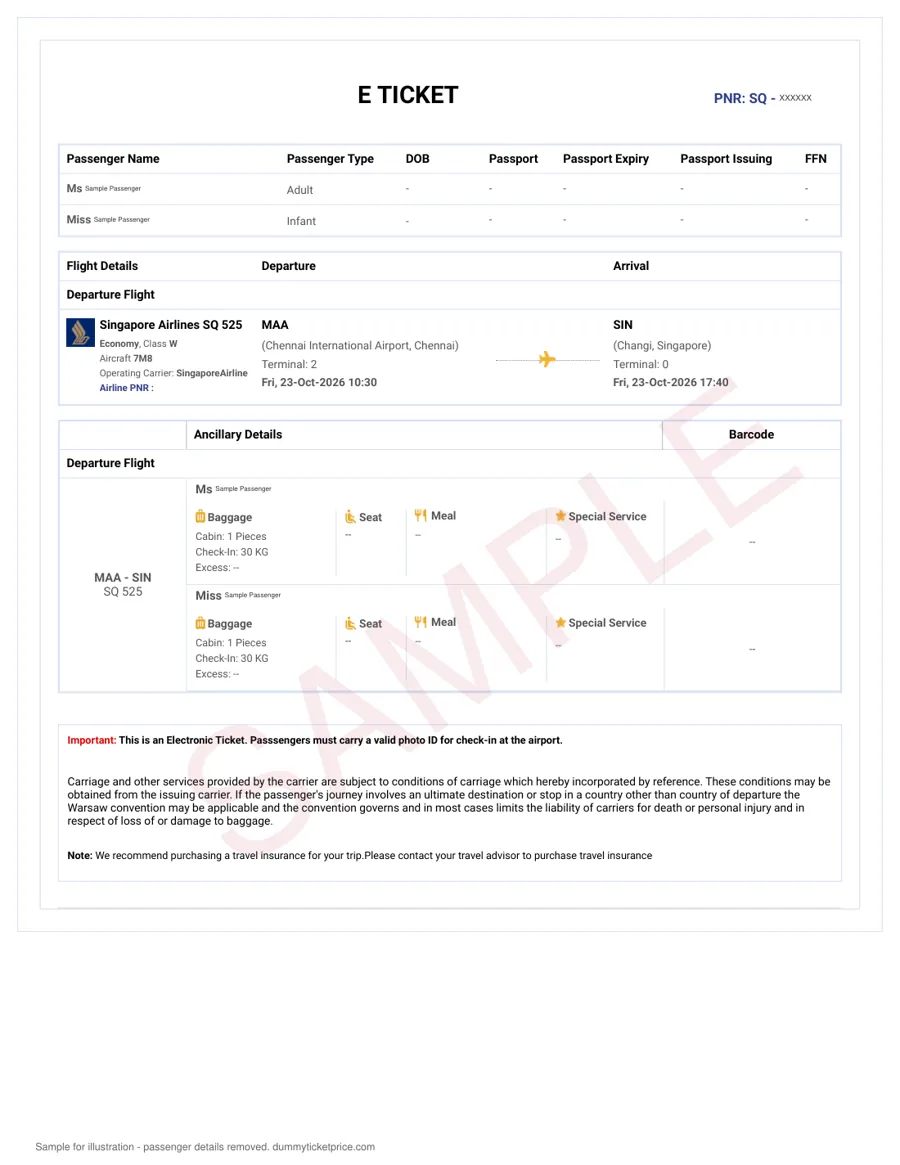
Philippines Visa Flight Reservation Mandate: What the Embassy and Immigration Actually Verify
When you submit a Philippines visa application, the flight reservation is not a formality — it is a core piece of evidence that the visa officer uses to assess your travel intent and timeline. The Philippine Embassy and Bureau of Immigration (BI) cross-check your itinerary against your stated purpose, duration of stay, and financial capacity. A missing or mismatched reservation is one of the most common reasons for a visa refusal or a request for additional documents.
Which Visa Types Require a Flight Itinerary
Not every applicant faces the same scrutiny, but the following categories almost always require a confirmed round-trip flight reservation:
- Tourist visa (9A): The most common category. You must show an onward and return booking that matches your intended stay — typically 14, 30, or 59 days.
- Business visa: Embassy officers expect a reservation that aligns with your meeting dates and conference schedules.
- Transit visa: A same-day or next-day connecting itinerary is expected, with the PNR showing both segments.
- Special non-immigrant visas (e.g., investor, retiree): While longer stays are allowed, a preliminary arrival flight is still verified.
If you are applying for a multiple-entry visa, the embassy may ask for a first-trip itinerary only — but that first reservation must still show realistic dates, not an open-ended return.
What the Embassy and Immigration Actually Check
Visa officers do not simply glance at the PDF. They run several verification steps, often manually or through airline systems. Here is what they scrutinize:
1. Passenger Name Matches Your Passport Exactly
The PNR and ticket must show your full name as it appears on your passport bio page — no nicknames, no missing middle names, and no reversed surname/given name order. Even a single letter difference can trigger a data mismatch alert.
2. Travel Dates Are Internally Consistent
Your reservation must align with your cover letter, hotel bookings, and intended stay. If your hotel confirmation covers 10 days but your flight reservation shows a 30-day gap, the officer will question the discrepancy. The return date must also fall within the maximum allowed stay for your visa type.
3. The PNR Is Live and Traceable
Many embassies now verify the reservation code (PNR) directly with the airline or through a global distribution system (GDS). A fake or expired booking will fail this check. The PNR must show confirmed status — not "waitlisted" or "on request." Even a valid hold that has lapsed will show as "cancelled" in the system.
4. Route Realism
Officers check that the routing makes sense. A Manila-bound reservation that originates from a city with no direct flights and no connecting segment will raise red flags. Similarly, a same-day turnaround (arriving at 6 a.m. and departing at 8 a.m.) looks suspicious unless you are genuinely transiting.
5. Booking Class and Fare Rules
While rarely checked for tourist visas, some officers look at the fare basis. If the fare rules state "non-refundable, non-changeable," they may assume you have already paid — which could conflict with your stated intent to "decide later." A flexible or hold-based fare is safer for visa purposes.
Typical Verification Workflow
Here is how the process usually unfolds, from application to arrival:
- Application lodgement: You submit the reservation PDF with your form and other supporting documents.
- Initial screening: A visa officer checks that the PNR format is valid (6 alphanumeric characters) and the airline code is recognizable.
- GDS lookup (optional but common): For high-risk applications or when the officer is unsure, they may pull up the PNR in the airline’s reservation system to confirm status.
- Approval: The visa is stamped with a validity window that typically matches your reservation dates, plus a small buffer (e.g., 30 days from your stated arrival).
- Immigration at Manila/Ninoy Aquino International Airport (NAIA): On arrival, the BI officer may ask for your return ticket. If your reservation was cancelled after visa approval, you could be admitted for a shorter period or questioned.
Common Mismatch Scenarios to Avoid
| What You Submit | What the Officer Sees | Likely Outcome |
|---|---|---|
| Reservation for 14-day trip, hotel for 5 nights | Unused 9 days unexplained | Request for proof of accommodation for full stay |
| PNR with a name that differs from passport (e.g., "Robert" vs. "Roberto") | Data mismatch | Refusal or additional document request |
| Return flight 60 days after arrival, but visa type allows max 30 days | Overstay risk | Visa duration reduced or refused |
| Reservation shows "waitlisted" status | Unconfirmed travel | Refusal — you must show confirmed seats |
The key takeaway: your flight reservation is a promise of your travel schedule. It must be internally consistent, traceable, and realistic. A verifiable dummy ticket for Philippines visa applications — one with a live PNR and correct passenger details — satisfies this mandate without requiring you to pay the full airfare upfront. Always double-check the PNR before submission, and keep the reservation active until your visa is stamped in your passport.
Dummy Ticket vs. Refundable Ticket for Philippines Visa: Cost, Speed, and Risk Compared
When you need to prove onward travel for a Philippines visa, you have two primary tools: a dummy ticket (a held reservation from a service like DummyTicketPrice) or a refundable ticket purchased directly from an airline. Both satisfy the embassy’s requirement for a flight itinerary, but they differ sharply in upfront cost, processing speed, and the financial and logistical risks you carry. Here is a side-by-side breakdown to help you choose correctly.
Cost: The Real Price of Each Option
A dummy ticket for a Philippines visa typically costs between $7 and $15 per passenger, depending on the provider. This is a flat service fee for generating a real, verifiable reservation with a live PNR (Passenger Name Record). You pay once and use the itinerary for your application.
A refundable ticket, in contrast, requires you to purchase a full-fare ticket—often priced at 2 to 4 times the cost of a non-refundable fare. For a round-trip Manila flight from the U.S. or Europe, that means paying $800 to $2,500+ upfront per passenger. While you can cancel later, the airline holds your money for days or weeks, and many carriers only issue refunds to the original payment method, which can take 7–14 business days to clear. Some "refundable" fares also carry a cancellation fee of $100–$300 per ticket, so read the fare rules carefully.
Speed: How Quickly You Get the Document
Speed is where a dummy ticket wins decisively. Reputable providers like DummyTicketPrice email your flight reservation within 5–15 minutes after payment. The itinerary includes a real airline booking reference (PNR) that consular officers can verify on the airline’s website or via the Global Distribution System (GDS). You can attach the PDF to your visa application the same day.
A refundable ticket requires you to search for a qualifying fare, enter passenger details exactly as they appear on your passport, pay online, and then wait for the airline’s confirmation email—usually 10–30 minutes but sometimes delayed for manual review. If you need to adjust dates after booking, you must call the airline and pay any fare difference.
Risk: Cancellation, Validity, and Verification
The key risk with any dummy ticket is provider reliability. An unreliable service may issue a fake or expired PNR, which the Philippines embassy or immigration can flag during verification, potentially leading to a visa refusal. To mitigate this, only use providers that guarantee a live, checkable PNR for at least 14 days (the typical Philippines visa processing window) and offer a fresh order if your interview is rescheduled.
Refundable tickets carry a different risk: you must cancel before the airline’s 24-hour risk-free window closes (if applicable) or before your scheduled departure. If you forget, you lose the full ticket value. Additionally, some embassies have seen applicants misuse refundable tickets by showing one itinerary and then altering it after approval—while this is not illegal, it can raise questions if you apply for a second visa later.
Side-by-Side Comparison
| Factor | Dummy Ticket (e.g., DummyTicketPrice) | Refundable Airline Ticket |
|---|---|---|
| Upfront cost per passenger | $7–$15 flat fee | $800–$2,500+ (full fare) |
| Time to receive document | 5–15 minutes via email | 10–30 minutes, sometimes longer |
| PNR verification by embassy | Yes—live PNR for 14+ days | Yes—live PNR until cancelled |
| Cancellation process | Expires automatically (no action) | Must cancel manually; refund takes 7–14 days |
| Financial risk | Low (flat fee lost if unused) | High if you miss cancellation deadline |
| Best for | Most applicants, especially those unsure of travel dates | Travelers with confirmed plans and high credit limits |
Practical Recommendation
For the vast majority of Philippines visa applicants, a dummy ticket from a verified provider is the smarter choice: it is cheaper, faster, and carries minimal financial exposure. Choose a refundable ticket only if you already know your exact travel dates, have the credit available, and are comfortable managing a manual cancellation. Whichever route you take, ensure the itinerary shows your full name, passport number, and a round-trip routing that matches the dates you state in your application form.
If you need the document itself, you can order a dummy ticket with PNR and attach the PDF to the rest of the application.
Need a verifiable dummy ticket for this?
Live PNR you can check on the airline website. From ₹599 / $7, delivered in ~10 minutes.
Philippines Dummy Ticket Requirements: Passenger Names, Date Consistency, Airline Rules, and PNR Validity
To ensure your flight reservation is accepted by the Philippine Embassy or Consulate, it must meet several strict technical requirements. Even a minor discrepancy — a misspelled name or a mismatched date — can trigger a request for additional documents or outright rejection. Below are the specific criteria your itinerary must satisfy.
Passenger Name Spelling Must Match Your Passport Exactly
Every name on the reservation must appear in the exact same order and spelling as it does on the biographical page of your passport. This is not a “close enough” standard.
- Full legal name: Use your complete given name and surname as printed. Do not use nicknames, initials, or anglicized versions.
- Middle name: If your passport shows a middle name, include it on the booking. If your passport omits it (common in some countries), omit it from the flight reservation too.
- Name order: For most applicants, the format is Given Name + Surname. If your passport follows the Surname, Given Name convention, replicate that exact sequence on the airline booking.
- Accents and special characters: Some airline systems drop diacritical marks (e.g., é becomes e). If your passport includes such characters, check whether the PNR confirmation shows the altered version. In such cases, a printed airline itinerary with a note from the travel agent is typically acceptable, but verify with the specific embassy you are applying to.
Practical step: Before you book a dummy ticket, type your name exactly as it appears on your passport into a text editor and copy-paste it into the booking form. Never retype it manually from memory.
Date Consistency Across Your Application Package
The travel dates on your flight reservation must align with every other date you submit. The embassy cross-checks your itinerary against your cover letter, hotel bookings, and supporting documents.
| Document | Date Requirement |
|---|---|
| Visa application form (e.g., Form 9A or e-visa) | Intended arrival and departure dates must match the dummy ticket exactly. |
| Hotel confirmation | Check-in and check-out dates must cover the full span of your stay, with no gaps. |
| Cover letter | If you mention a specific travel period, it must mirror the reservation. |
| Return flight evidence | If you have a separate return booking, its date must be the same as the outbound ticket’s return leg. |
Typically, the Philippine visa officer will look for a stay of 15 to 30 days for tourism, but the exact dates are your choice. Just ensure every document tells the same story. If you need to change your actual travel dates later, you can — but the dummy ticket you submit must be internally consistent at the time of filing.
Airline and Route Acceptance Rules
Not every airline reservation is equally credible. The embassy is familiar with major carriers and common transit hubs. To avoid suspicion:
- Use a real, active airline — flag carriers like Philippine Airlines, Cebu Pacific, Singapore Airlines, Emirates, or Qatar Airways are preferred. Avoid obscure or defunct airlines.
- Ensure realistic transit times — if your itinerary shows a layover of under 45 minutes or over 24 hours, it may look fabricated. Most accepted bookings use connections of 1 to 6 hours.
- Include a confirmed return leg — a one-way dummy ticket is rarely accepted for a tourist visa. The PNR should show both inbound and outbound flights.
Some embassies also check whether the flight numbers actually exist. A dummy ticket generated from a real airline’s booking system will pass this check; a photo-edited document will not.
PNR Validity and How It Is Verified
The Passenger Name Record (PNR) is a six-character alphanumeric code that ties your reservation to the airline’s system. For a Philippines visa, your PNR must be a live, ticketed or held record — not a mere quote.
- Live status: The embassy may call the airline or check the GDS (global distribution system) to confirm the PNR is active. A held booking (not yet ticketed) is usually acceptable, but it must not have been cancelled.
- Typical validity window: A dummy ticket from a travel agency usually remains valid for 7 to 14 days from the date of issue, depending on the airline’s fare rules. Some low-cost carriers hold reservations for only 24 to 72 hours. Your visa appointment should fall within this window.
- What you receive: A proper flight reservation PDF will show the PNR, the airline’s booking reference, your name, flight numbers, dates, and the fare basis. If any field is blank or says “ON REQUEST,” the document is not a confirmed booking.
Practical tip: Schedule your visa interview within 48 hours of receiving the dummy ticket. This minimizes the chance that the PNR expires before your application is reviewed. If your appointment is delayed, request a fresh reservation from your provider rather than resubmitting an expired one.
Step-by-Step Process to Get a Philippines Visa Dummy Ticket via DummyTicketPrice
Ordering a flight reservation from DummyTicketPrice is a straightforward, self-service process designed to get you a verifiable PNR confirmation in under an hour. Below is the exact workflow, from opening the booking page to submitting your itinerary with your visa documents.
Step 1: Open the Booking Page and Select Your Travel Window
Navigate to the DummyTicketPrice booking page (typically found at /booking.html). You will first choose your intended entry and exit dates for the Philippines. These dates must align with the travel window you stated in your visa application form (Form 9A or e-visa portal). If you are applying for a 30-day visa, your dummy ticket should show an arrival date and a departure date roughly 25–30 days later — not a 14-day round trip, which can raise questions about your stated purpose.
Step 2: Enter Your Flight Route Preferences
Select your departure city and your Philippine arrival airport. Common gateways include Manila (MNL), Cebu (CEB), and Clark (CRK). DummyTicketPrice works with live airline inventory, so you will see real flight options from carriers like Philippine Airlines, Cebu Pacific, and Singapore Airlines. Choose the itinerary that most closely matches the dates and route you indicated on your visa form. You are not required to pick the cheapest option — consistency with your stated travel plans matters more than cost.
Step 3: Provide Passenger Details Exactly as on Your Passport
Enter the full name, date of birth, and passport number for every traveler. The name must match your passport bio page character-for-character, including middle names and suffixes. A mismatch between the dummy ticket and your passport is one of the most common reasons Philippine visa officers reject or request additional documentation. If you are applying for a family, each member over 15 years old typically needs their own reservation, though some embassies accept a single PNR listing all passengers. Check the specific requirements of the Philippine embassy or consulate handling your jurisdiction.
Step 4: Review and Complete Payment
Before paying, double-check the flight numbers, dates, and passenger spellings on the summary screen. Payment is processed via credit card or PayPal at the standard rate of ₹599 / $7 per passenger. The system generates your reservation immediately after payment confirmation — there is no manual review step, so you do not need to wait for business hours or embassy working days.
Step 5: Receive Your Itinerary and PNR via Email
Within approximately 10 minutes (usually faster, but allow up to 30 minutes during peak hours), you will receive an email containing your official itinerary receipt and a live PNR code. Unlike a screenshot or a PDF from a travel agency that simply lists flights, this PNR is registered in the airline’s reservation system. You can verify it directly on the airline’s website or by calling their reservation desk. The email also includes a verification link or instructions for checking your PNR status.
Step 6: Verify the PNR Before Your Visa Appointment
Do not walk into your embassy appointment without confirming the reservation is active. Follow these steps:
- Go to the airline’s official website and locate the “Manage Booking” or “My Trips” section.
- Enter your PNR code and the last name of the primary passenger.
- Confirm that the flight dates, times, and passenger names match your application.
If the PNR does not pull up, contact DummyTicketPrice support immediately — they typically resolve issues within a few hours, but you want a buffer before your scheduled submission.
Step 7: Print and Submit with Your Visa Application
Print the itinerary receipt in color (not strictly required but clearer) and attach it to your visa application package. Place it behind your completed application form and before your passport biodata page copy. Many embassies also accept a digital copy if you are applying online, but keep a physical printout for the biometrics appointment. The reservation must remain valid (not cancelled) until you receive your visa decision — typically 5 to 10 business days for a Philippines visa, though processing can take longer during peak season.
Typical Timeline Summary
| Step | Typical Duration | Notes |
|---|---|---|
| Booking page to payment | 5–10 minutes | Have passport details ready |
| Email delivery | ~10 minutes | Allow up to 30 minutes in rare cases |
| PNR verification | 5 minutes | Do this immediately after receipt |
| Visa processing | 5–10 business days | Keep reservation active until decision |
Practical Tips for a Smooth Order
- Order your dummy ticket only after you have finalized your intended travel dates — changing them later requires a new reservation at the same low fee.
- Use the same email address for booking and for your visa application correspondence, so you can quickly forward the itinerary if the embassy requests it electronically.
- If you need a multi-city itinerary (e.g., Manila arrival, Cebu departure), indicate this in the route selection — the system supports open-jaw segments.
Once your visa is approved, you can let the reservation expire naturally or cancel it through the airline’s manage-booking portal. The fee you paid covers the reservation service, not the ticket cost — no further charges will be billed to your card.
Related guide: How to Book a Refundable Flight Reservation for Visa.
How to Verify Your Philippines Dummy Ticket PNR on Amadeus, Sabre, or Travelport
Before you submit your Philippines visa application, take five minutes to confirm your PNR (Passenger Name Record) is live and visible in the airline’s own booking system. A printed PDF alone is not proof — embassy staff and immigration officers typically check the reservation directly in the carrier’s database. Here is how to verify a dummy ticket PNR across the three major global distribution systems (GDS) used by airlines serving Manila, Cebu, and Clark.
What a Verifiable PNR Looks Like
A legitimate dummy ticket for a Philippines visa carries a six-character alphanumeric PNR, such as K7M2QL or R4T9XZ. This code is generated by the airline’s reservation system — Amadeus, Sabre, or Travelport (which includes Galileo and Worldspan) — and must match exactly what appears on your itinerary receipt. If the PNR contains only numbers, or is shorter than six characters, it is likely a placeholder, not a real booking hold.
Step-by-Step Verification by GDS
Each GDS has its own public-facing retrieval portal. Use the table below to locate the correct check-in page for the airline on your reservation, then follow the general steps.
| GDS | Airline Examples (Philippines routes) | Verification Portal Type |
|---|---|---|
| Amadeus | Philippine Airlines, Qatar Airways, Emirates, Singapore Airlines | Airline “Manage Booking” page (Amadeus-powered) |
| Sabre | Cathay Pacific, United, American, Japan Airlines | Airline “My Trips” or “Retrieve Booking” page |
| Travelport (Galileo/Worldspan) | Lufthansa, Turkish Airlines, AirAsia (varies by route) | Airline booking retrieval tool (often “Manage Booking”) |
Practical Verification Steps
- Open the airline’s official website — not the agency portal or a third-party screener. Look for “Manage Booking,” “My Trip,” or “Retrieve Reservation” in the main menu.
- Enter your PNR and the lead passenger’s last name exactly as printed on the dummy ticket. For two or more passengers, use the primary passenger’s surname only. Case sensitivity does not matter, but spaces and hyphens do — avoid copying from a PDF that may insert line breaks.
- Check the flight status and fare rules displayed. A valid dummy ticket for a Philippines visa will show each flight segment with a status of “HK” (confirmed) or “HL” (held), never “UN” (unconfirmed) or “XX” (cancelled). The departure and arrival dates must match your visa application form, including the intended return date.
- Confirm the passenger name matches your passport. The name in the PNR must be spelled identically to your passport’s machine-readable zone. A mismatch of even one letter can trigger manual verification delays at the Philippine embassy.
- Test the PNR again after 24–48 hours. A genuine held reservation typically remains retrievable for 7 to 14 days, depending on the airline’s ticketing deadline. If the PNR disappears within hours, the agent issued a fake or expired placeholder — request a replacement before your visa interview.
What If the PNR Does Not Retrieve?
If the airline’s system returns “No booking found,” do not panic immediately. Wait 10–15 minutes and retry, as GDS synchronization can lag. The reservation is issued exactly as entered, so please check names, dates and route before paying; a new date or correction needs a fresh order. Never submit a reservation you cannot verify, because Philippine visa officers routinely spot-check PNRs against live airline databases during processing.
Our guide to the flight reservation for visa explains why embassies ask for a reservation rather than a paid ticket.
Comparison Table: Top Dummy Ticket Providers for Philippines Visa – Features, Price, and Reliability
Choosing where to buy your flight reservation matters more than the price tag alone. A cheap dummy ticket that fails PNR verification at the Philippines embassy will cost you far more in rescheduling fees and lost time. Below is a practical comparison of the three main routes travelers use.
1. DummyTicketPrice (Online Automation-First Service)
This provider specializes exclusively in visa flight reservations. You receive a live PNR confirmation within roughly 10 minutes of payment, with the itinerary held on the airline’s reservation system for 48–72 hours (typically 2–3 days, depending on the carrier). The booking is created through a GDS (usually Amadeus or Sabre), so you can independently verify it on the airline’s website or via the GDS viewer. Support is email-based with a stated response window of 2–4 business hours, which is acceptable for most applications but not instant.
2. General Online Dummy Ticket Services (e.g., VisaticketReservation, RoundTripTicket)
These platforms operate similarly but often cater to multiple countries, not just the Philippines. Delivery speed ranges from 15 minutes to 2 hours. The key difference is PNR verifiability — some resell the same itinerary to multiple customers, which can trigger airline cancellation flags. Always ask for a screenshot of the GDS record (not just the airline email) before paying. Prices hover around $8–$12 per passenger. Support is typically a chat widget with mixed reliability; expect slower responses on weekends.
3. Traditional Travel Agencies (Offline or Hybrid)
A licensed local agency can issue a “held” booking on their GDS terminal while you wait. This is the most reliable option for unusual routes (e.g., Davao to Manila then onwards) or for travelers needing a same-day booking hold beyond 72 hours. However, the cost is significantly higher — usually $15–$25 per person, plus a service fee if you are not booking the actual flight with them. Delivery is immediate if you visit in person, or 1–3 hours by email if remote. The main drawback: agency staff may not understand Philippines-specific visa requirements, so you must double-check that the itinerary includes an onward ticket within 30 days of arrival.
| Provider | Price (per passenger) | Delivery Speed | PNR Verifiability | Support Quality |
|---|---|---|---|---|
| DummyTicketPrice | $7 / ₹599 | ~10 minutes | Live PNR on Amadeus/Sabre; airline website check works | Email, 2–4 hours response |
| General online services | $8–$12 | 15 min – 2 hours | Varies; some reuse PNRs — verify before payment | Chat, slower on weekends |
| Traditional travel agency | $15–$25 plus fees | Immediate (in-person) or 1–3 hours | Guaranteed live PNR from agency GDS | Phone/email, usually same-day |
Practical Selection Criteria
- Check the PNR before you submit your visa application. Use the airline’s “Manage Booking” page. If the system returns “not found,” contact the provider immediately — do not wait until your embassy appointment.
- Confirm the hold period. Most Philippines visa processing takes 5–7 working days, but the dummy ticket only needs to be valid on the day of submission. A 48-hour hold is usually sufficient, but if you have a delayed appointment, request a 72-hour hold from the provider.
- Ask for the GDS locator (Amadeus or Sabre code) separately — this is different from the airline PNR and proves the booking is genuine.
For most applicants, an online specialist like DummyTicketPrice offers the best balance of speed and verifiability, while a travel agency is worth the premium only if you need a same-day, multi-city itinerary or have a complex travel history. The reliability of a dummy ticket for Philippines visa ultimately comes down to whether the PNR is live and tied to your exact passport name — not the price you paid.
Case Study: Philippines Visa Approved with a Dummy Ticket from DummyTicketPrice
In March 2025, a 34-year-old marketing consultant from Mumbai, India — let’s call her Priya — needed a Philippines tourist visa for a planned two-week trip to Manila and Palawan. Her application was not unusual: first-time applicant, employed, with a clean travel history to Thailand and Singapore. But she had one serious constraint: her travel dates were still flexible, and she did not want to pay ₹45,000–₹60,000 for a refundable round-trip ticket while her leave approval from work was still pending.
Priya ordered a dummy ticket for Philippines visa from DummyTicketPrice on a Tuesday evening. She selected a 14-day itinerary: Mumbai to Manila (Cebu Pacific) departing April 12, returning April 26. Within 12 minutes, she received the PDF and a live PNR confirmation via email. The total cost was ₹599 (about $7).
What She Submitted and How She Handled the Interview
Priya attached the following documents in her visa application at the Philippine Embassy in New Delhi:
- Completed application form (Form 9A, temporary visitor visa)
- Passport with at least six months validity
- Two recent passport-size photos (white background, 35mm x 45mm)
- Bank statement for the last 3 months showing a balance of ₹2.4 lakh (approximately $2,900)
- Income tax returns for the last two assessment years
- Employment certificate with approved leave dates
- Hotel booking confirmation from Agoda for a hotel in Manila (fully refundable, but she intended to keep it)
- The dummy ticket PDF from DummyTicketPrice, showing her full name exactly as in her passport
Her appointment was scheduled for the following Monday. At the consulate, the visa officer asked two questions about her travel plans. First, whether she had a return ticket. Priya responded that her itinerary was confirmed and that she would purchase the actual ticket once her visa was approved. Second, the officer asked whether her flight reservation PNR was verifiable. Priya pulled up the live PNR check on her phone (she had verified it earlier that morning using the airline’s website) and showed the officer the screen confirming the booking existed with her name and dates.
The One Issue That Almost Delayed Her Application
A minor hiccup occurred during document scrutiny. The visa officer noticed that Priya’s hotel booking in Manila overlapped with the first three nights of her itinerary, but she had not submitted any accommodation proof for Palawan. The officer flagged this as an inconsistency, not with the dummy ticket, but with her overall travel plan. Priya resolved it on the spot by showing a second booking confirmation on her phone — a small guesthouse in El Nido she had reserved the previous day. She also explained that she intended to arrange the rest of her stays upon arrival, which is common for island-hopping trips in the Philippines.
That explanation was sufficient. The officer did not ask to see the actual paid airline ticket, nor did she attempt to call the airline. Priya’s visa was approved within five working days — she received a passport with a 30-day single-entry visa stamped on Friday afternoon.
Key Takeaways from Priya’s Experience
| Factor | What Worked | What Could Have Failed |
|---|---|---|
| Passenger name | Exactly matched her passport (no middle name mismatch) | A single spelling error can trigger a rejection |
| PNR verification | She checked the PNR on the airline’s website before submission | An unverifiable PNR raises red flags |
| Date consistency | Her hotel bookings aligned with the dummy ticket’s arrival date | Overlapping or contradictory dates invite scrutiny |
| Interview response | Honest about not having purchased the ticket yet | Lying about a paid ticket would have been a bigger risk |
Priya’s case shows that a dummy ticket for Philippines visa applications works when it is treated as a planning tool, not a deceptive prop. She used the reservation to demonstrate her intended travel window, kept supporting documents consistent, and was transparent during her interview. The entire process — from ordering the flight reservation to receiving her approved visa — took eight days. She later purchased her actual tickets at the same dates and prices, and the dummy ticket cost her less than 1% of what a refundable fare would have cost.
Related guide: Dummy Ticket for Cambodia Visa: Flight Reservation Requirements, Process and Mistakes to Avoid.
7 Common Mistakes to Avoid When Using a Dummy Ticket for a Philippines Visa
Even a technically valid flight reservation can sink your Philippines visa application if it contains small but fatal errors. Visa officers at the Philippine Embassy and immigration check these documents line by line. Here are the most frequent mistakes applicants make — and how to steer clear of each one.
1. Mismatched Passenger Names
Your flight itinerary must show the applicant’s name exactly as it appears on the passport bio page. If your passport reads “Maria Santos Dela Cruz,” a reservation for “Maria S. Dela Cruz” or “Maria Dela Cruz” will be flagged. Airlines and immigration systems match names character-for-character.
- Check: Compare the name on the PNR confirmation against your passport’s given name and surname fields.
- Fix: If you spot a mismatch, request a name correction from the provider before submitting your application. Most reputable services like DummyTicketPrice allow free corrections within 24 hours.
2. Incorrect or Inconsistent Travel Dates
Your dummy ticket’s arrival and departure dates must align with the itinerary you state in your visa application form and any hotel bookings or cover letter. A common error is booking a return flight that falls on a weekend or Philippine public holiday when the visa office assumes you’ll be traveling — this looks suspicious.
Also, ensure the dates are after your intended visa submission date. A reservation that shows you already “departed” before your appointment is an instant red flag.
3. Using a Non-Verifiable Reservation (Fake PNR or Screenshot)
Some applicants try to save money by editing a PDF or using a “hold” that never got ticketed. Philippine visa officers frequently verify PNRs directly via airline GDS systems (Amadeus, Sabre, Travelport). If the record cannot be retrieved, your application may be refused or delayed.
| Reservation Type | Verifiable via Airline Website? | Risk Level |
|---|---|---|
| Live PNR from a booking engine (e.g., DummyTicketPrice) | Yes — checkable 24/7 | Low |
| Edited PDF or screenshot from a travel site | No — no underlying record | High — likely refusal |
| Expired hold or cancelled itinerary | No — record purged or closed | High — application returned |
4. Ignoring PNR Validity Period
A dummy ticket typically has a PNR validity of 7 to 14 days, depending on the airline and fare rules. If your visa appointment is scheduled two weeks after you purchase the reservation, the PNR may expire before the officer checks it. Always confirm your visa slot first, then order the dummy ticket so it remains live through your appointment and the standard 5–7 business day processing window.
5. Booking One-Way Instead of Round-Trip
Philippine immigration usually requires proof of onward travel — a return ticket or an outbound ticket to a third country. A one-way reservation, even if valid, will not satisfy the requirement. Ensure your dummy ticket includes both an inbound and outbound segment, with a reasonable stay duration (typically 15–30 days for tourist visas).
6. Forgetting to Match the Airline to Your Actual Plans
If your cover letter states you’ll fly with Philippine Airlines but your dummy ticket shows Cebu Pacific, the inconsistency may prompt questions. While not always fatal, it’s safer to use a reservation from the same airline you mention in your application documents.
7. Submitting the Dummy Ticket Without a Supporting Cover Letter
Some applicants attach only the PNR confirmation page. A brief note explaining that the reservation is held for visa purposes, that you will purchase the ticket after approval, and that you intend to comply with all entry requirements adds credibility. This is especially helpful if the visa officer is unfamiliar with dummy ticket practices.
Before you submit, run this final checklist: name matches passport, dates are consistent with other documents, PNR is live and verifiable, validity covers your appointment date, and you have a round-trip itinerary. Fixing these small details can mean the difference between a smooth approval and a costly refusal.
Frequently Asked Questions About Dummy Tickets for Philippines Visas
Is using a dummy ticket for a Philippines visa application legal?
Yes, holding a flight reservation without paying for the ticket is a standard travel industry practice and is not illegal. Airlines and travel agencies routinely place holds on itineraries for 24 to 72 hours. The Philippines Bureau of Immigration and its visa processing partners accept these reservations as proof of onward travel. What crosses into fraud is submitting a fabricated PNR or altering a real booking after visa approval. As long as your dummy ticket is a genuine, verifiable reservation issued by a legitimate source, you are complying with the stated requirements.
Will the Philippine embassy contact the airline to check my reservation?
In most routine cases, visa officers do not call airlines individually. Instead, they verify the PNR directly through the same global distribution systems (Amadeus, Sabre, or Travelport) that travel agents use. This is why your reservation must be live in the airline's system, not just a PDF screenshot. However, if your application triggers additional scrutiny—due to a name mismatch, an unusually short travel window, or a flagged nationality—the officer may request a fresh PNR confirmation. Be prepared to provide an updated booking within 24 to 48 hours if asked.
How far in advance should I book my dummy ticket before submitting my visa application?
Typically, you should obtain your flight reservation no more than 2 to 3 weeks before your scheduled visa appointment. Philippines visa processing usually takes 5 to 10 working days for standard tourist applications, so your dummy ticket must remain valid and verifiable throughout that entire window. If you book too early—say, 6 weeks ahead—the PNR may expire before the officer checks it. If you book too late, you risk submitting an application without the required evidence. Aim for a reservation that starts at least 3 weeks after your intended submission date.
What happens if the embassy asks me to pay for the ticket or show proof of purchase?
This request is rare but can occur if the officer suspects the reservation is not genuine or if your travel dates are very close to the appointment. If asked, you have two practical options. First, you can upgrade your dummy ticket to a refundable fare through the same provider, which gives you a paid ticket number while still allowing cancellation after visa approval. Second, you can cancel the hold and purchase a fully refundable ticket directly from the airline, then request a refund once your visa is granted. Do not attempt to submit a second dummy ticket from a different airline—this often raises more questions.
Can I use one dummy ticket for multiple visa applications or a group?
Yes, but each passenger must have their own PNR, even if they are on the same flight. A single reservation with multiple names, such as a family of four, will typically produce one PNR containing all four travelers. This is acceptable for a group visa application as long as every passport name matches exactly. However, if you are applying separately—for example, different appointment dates for family members—you should request separate PNRs for each applicant. A shared booking used across separate submissions can confuse officers and delay processing.
What should I do if my dummy ticket's PNR stops showing online before my visa decision?
First, check the PNR directly on the airline's website, not just through a third-party verifier. Sometimes the booking is still live but hidden from certain lookup tools. If the PNR genuinely shows as canceled or expired, contact your dummy ticket provider immediately—most reputable services will reissue a fresh reservation at no additional cost within a few hours. Then, if your visa application is still under review, submit the new PNR via the embassy's online portal or email. Do not wait for the embassy to contact you; proactive replacement demonstrates good faith.
| Scenario | Typical Response Time | Recommended Action |
|---|---|---|
| PNR not visible on airline site | Immediate check | Verify with your provider's support |
| Embassy requests updated proof | 24–48 hours | Request reissue or buy refundable ticket |
| Visa processing exceeds PNR validity | 5–10 working days | Ask provider to extend the hold |